
A New Generation Steps up for Kestrels
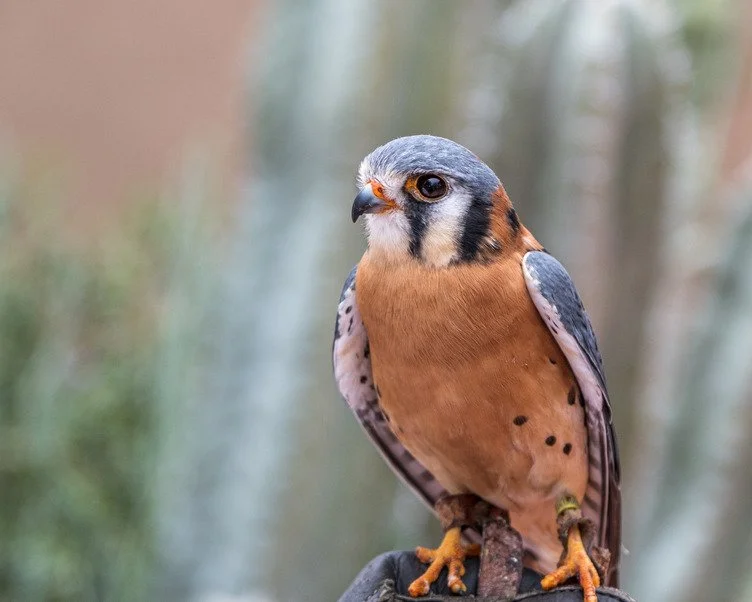
American Kestrels, the smallest falcon in North America, rely on cavities in dead trees located near open meadows to nest. That habitat is becoming harder to find as those trees are often removed from the landscape.
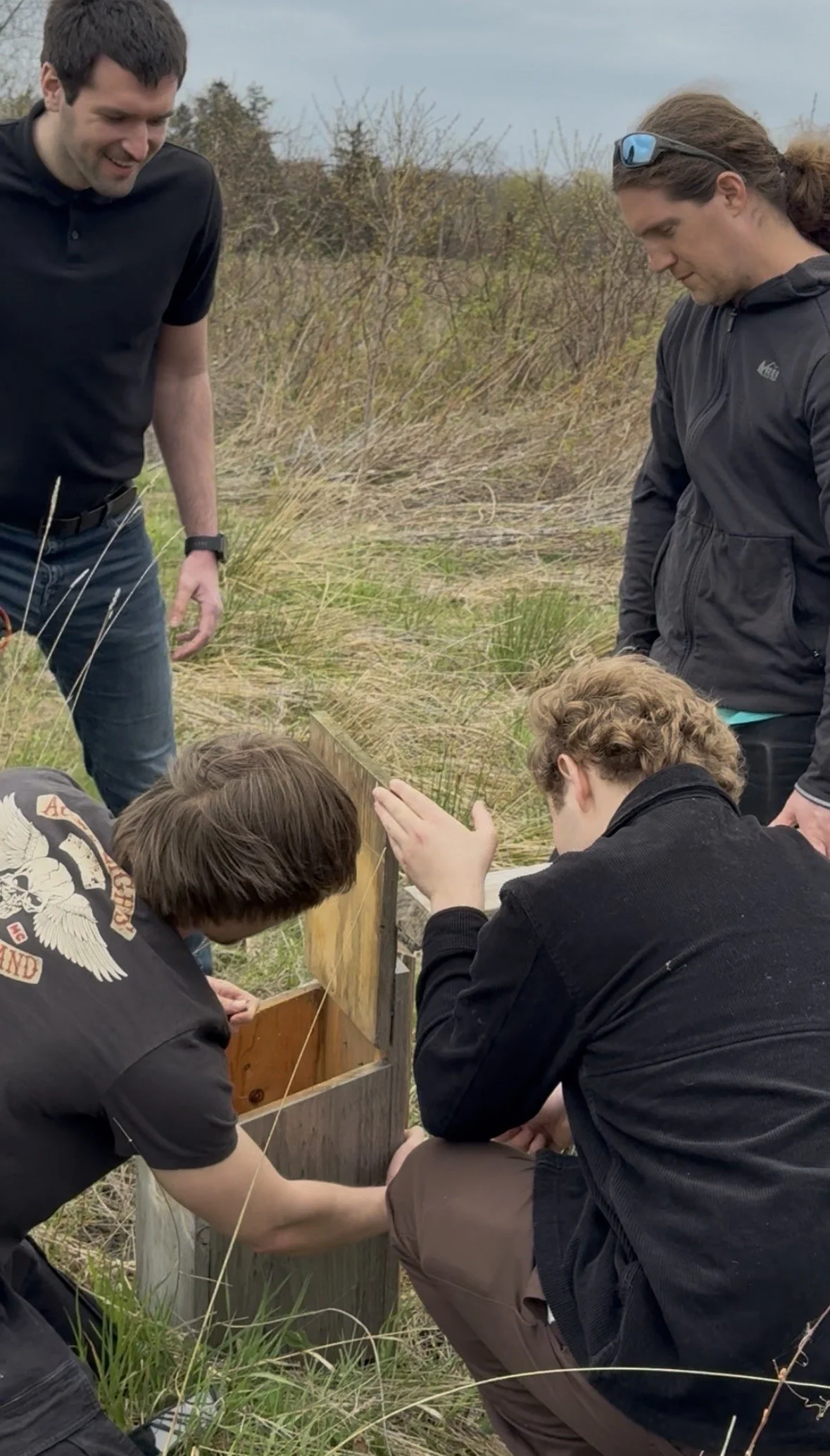
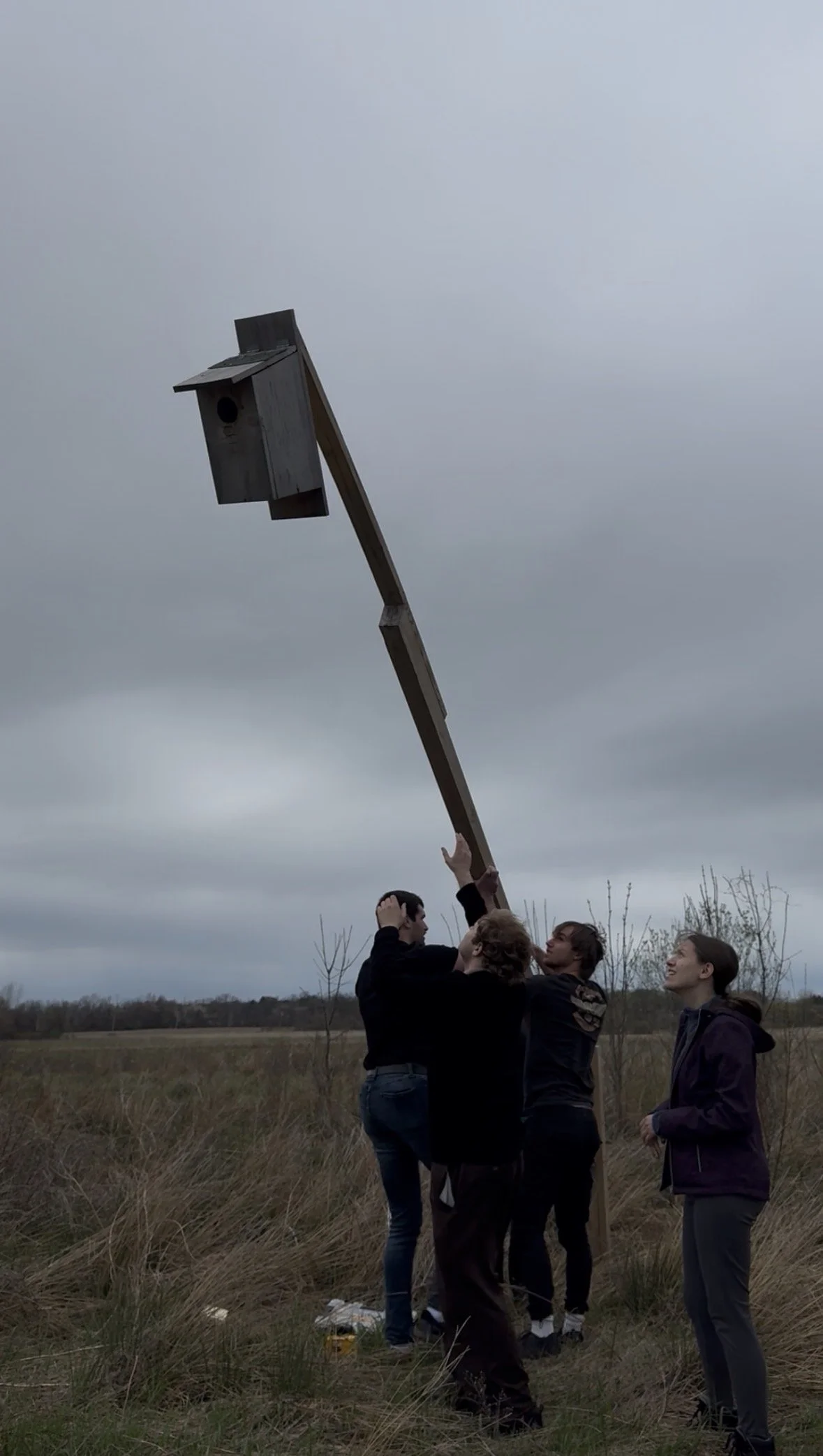
To help address this, the Land Trust maintains nest boxes on five preserves in Monroe and Wayne counties — giving Kestrels safe places to raise their young. But caring for those boxes brings its own challenge. Installed on 15 to 20-feet-high wooden posts, they are difficult to monitor both safely and consistently. Understanding whether the boxes are being used, and how successful they are, is essential to making sure they are placed in the most useful locations.

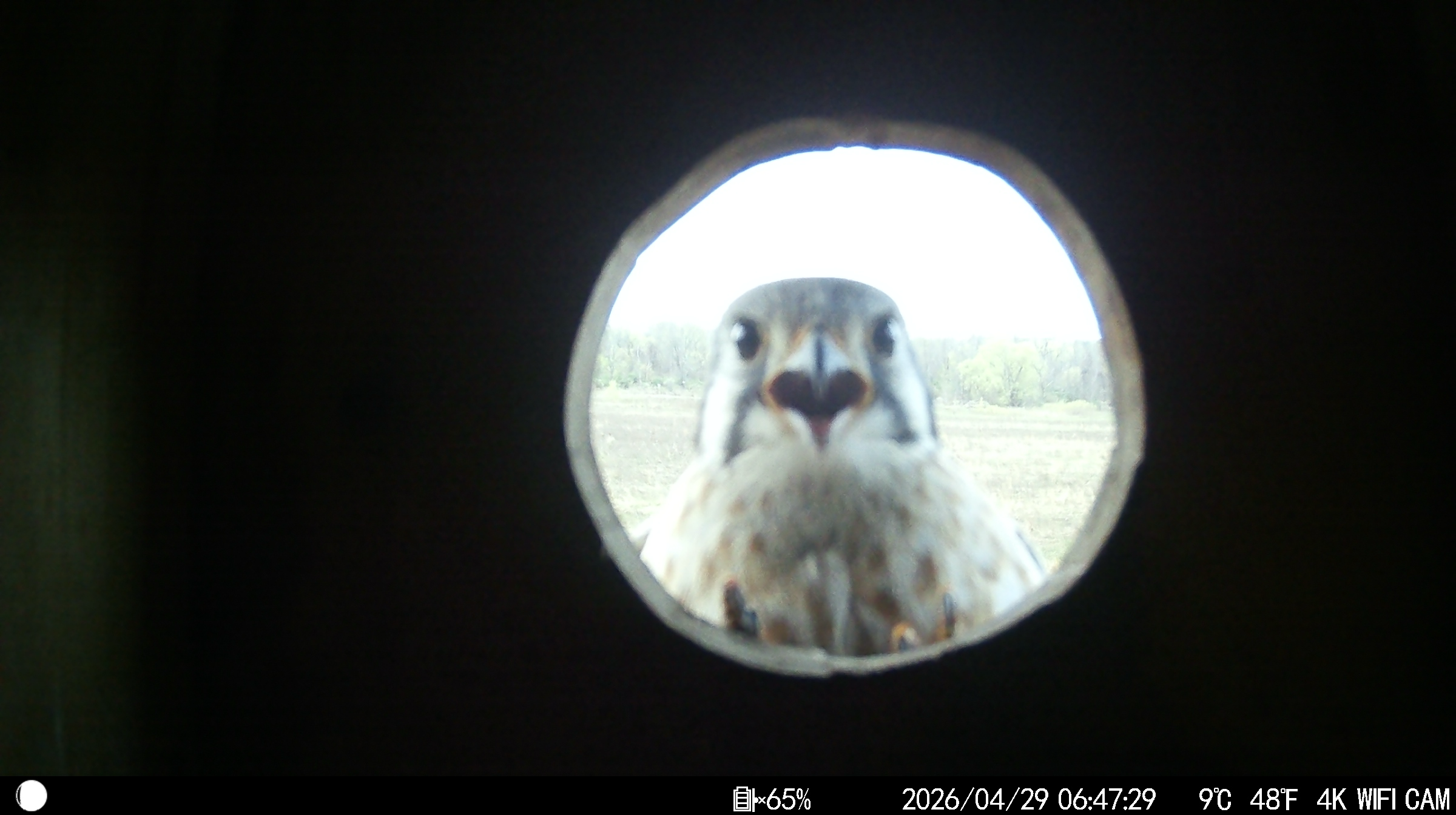
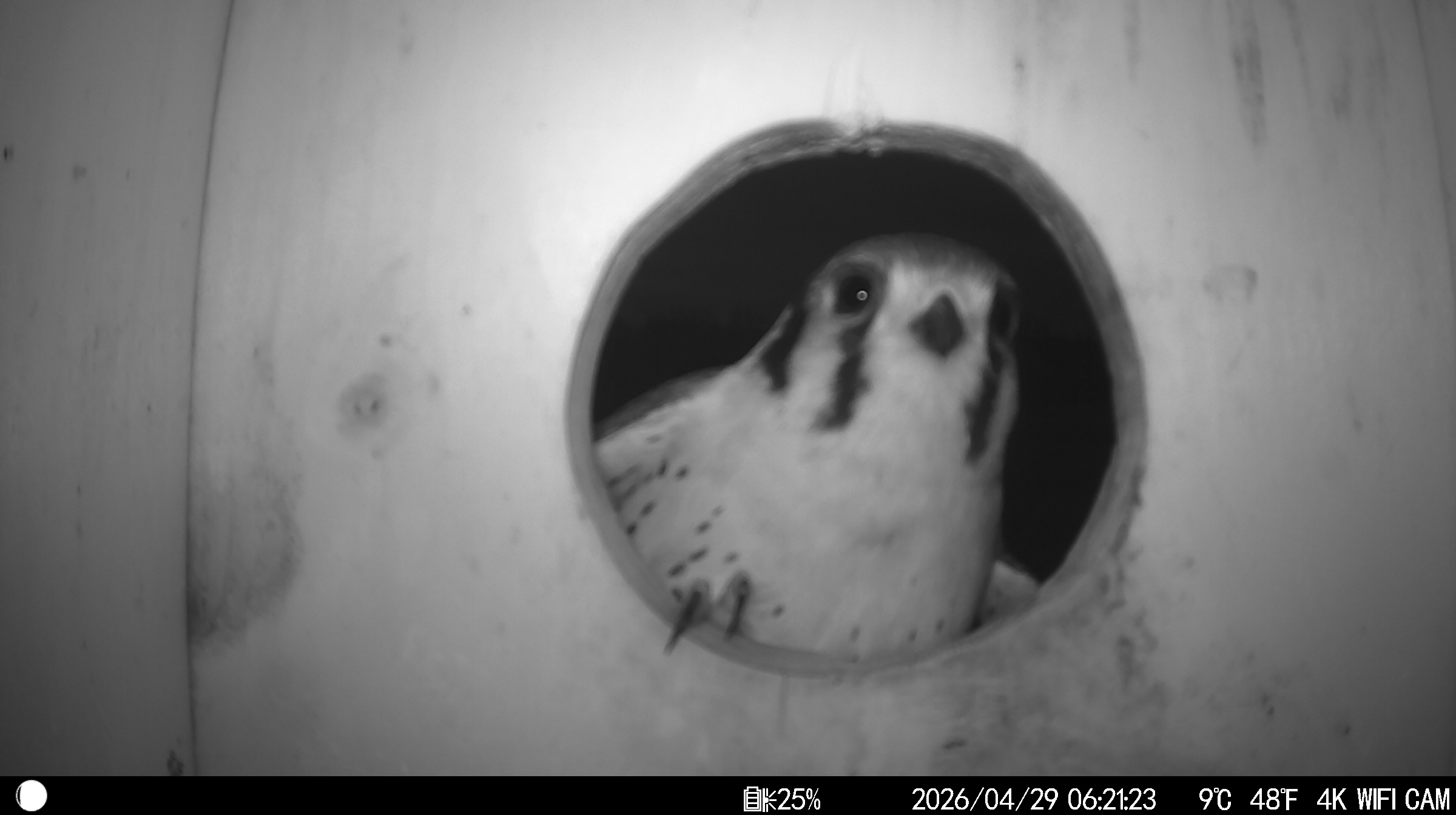
That is where students from Rochester Institute of Technology (RIT) come in. A team of six seniors in the Golisano College of Computing and Information Science saw an opportunity to apply their skills to a real-world conservation challenge. They developed a small, motion-triggered device that captures images and activity inside the nest box and sends the information to a web platform accessible from the ground. The team designed the system to be low maintenance so our Land Trust can use it for years to come. “Now we just need to be in the vicinity of the nest box,” says Will Macaluso, Director of Land Stewardship, “rather than climbing up a ladder.”
“It’s going to be a lot easier to get this information without spooking the birds and as a result, we may be able to expand this program to other conservation areas.”
The data will help us determine how well the boxes are working and whether adjustments are needed. The devices were just recently installed in early spring at Salmon Creek Nature Preserve–and have already captured activity! In dedicating their time and resources, these students are taking the lead in applying new technology to a conservation challenge.
For student Amelia Huge, the project is especially meaningful.
”Birds have always been very big in my life. Knowing our work will help Genesee Land Trust, and that I can visit these preserves, is really nice.”
Tips to see an American Kestrel
Kestrels make little chirpy sounds, so you likely won’t hear them.
Bring binoculars and look for them on top of the nest box, on a telephone wire close to a meadow, or hovering low over a meadow.
Where are the American Kestrel nest boxes located?
Salmon Creek Nature Preserve (Hilton)
Irene Gossin Nature Preserve (Penfield)
Deer Creek Woods (Ontario)
Ganargua Creek Meadow Preserve (Macedon)
Cornwall Preserve (Williamson)